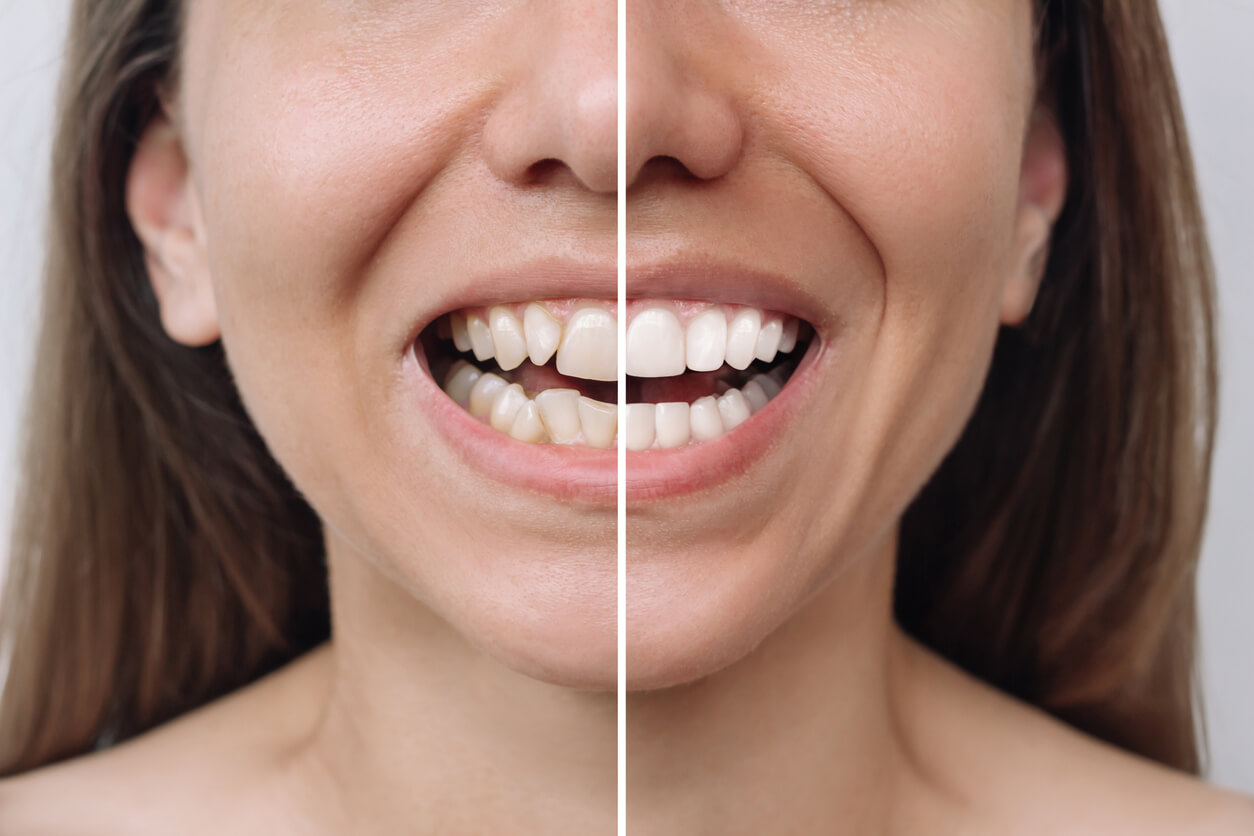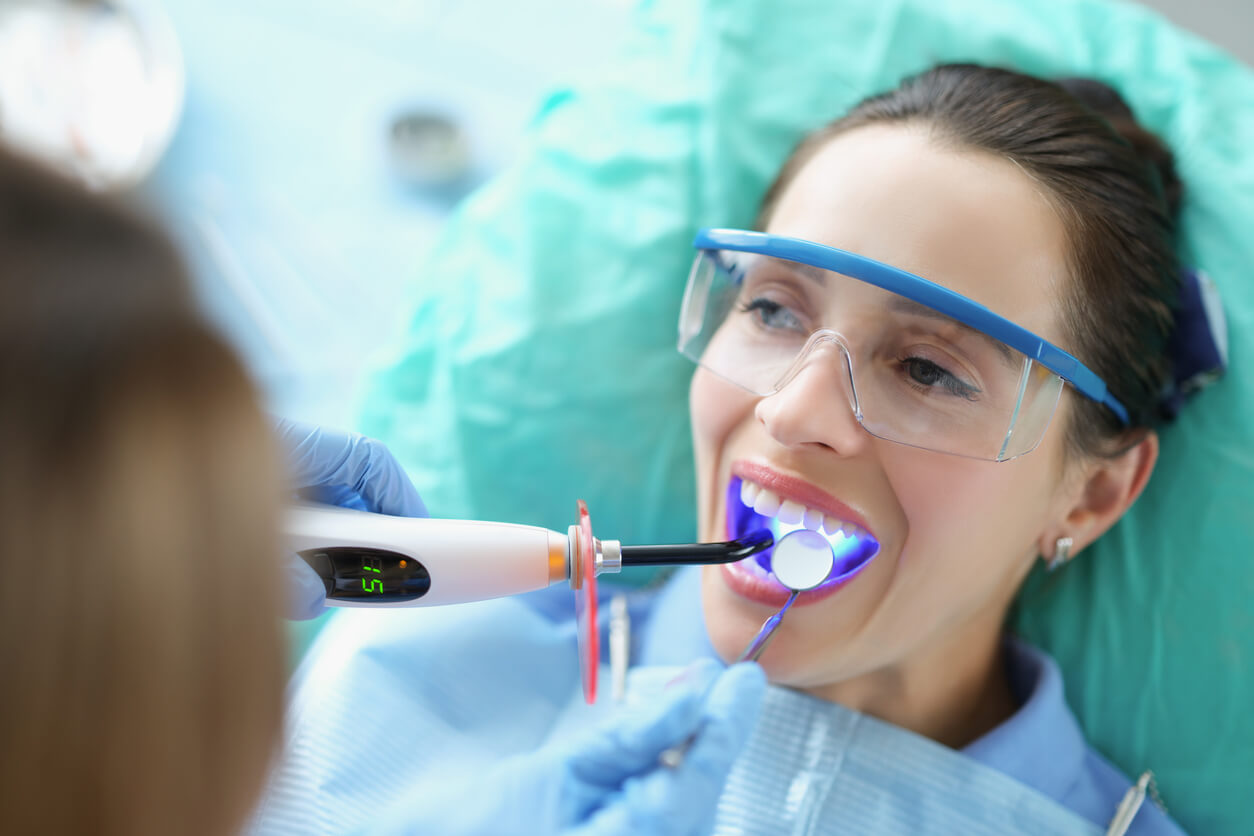
Dental bonding is an affordable option for many looking to address cosmetic dental concerns and minor imperfections in their smile. This minimally invasive procedure utilizes advanced composite resin materials to restore both appearance and function quickly, often in a single office visit. The process can enhance the appeal of porcelain veneers while providing a cost-effective solution for issues such as chips, discoloration, or gaps.
If you desire natural-looking results or need minor repairs, dental bonding may easily meet your needs. Learning about its wide range of uses, typical costs, and benefits will help you make a more confident decision regarding your cosmetic dental treatments.
What Is Dental Bonding?
Dental bonding uses a tooth colored resin to provide cosmetic and restorative improvements. The procedure is cost-effective, minimally invasive, and preserves natural tooth structure. It offers a quick solution for subtle cosmetic changes or minor dental repairs. Understanding its uses will help you determine if dental bonding is suitable for your needs.
Common Uses of Dental Bonding
Dental bonding is chosen for various cosmetic dental needs and can address both aesthetic and functional concerns. The following applications demonstrate how bonding enhances the appearance and health of your smile. Review these benefits to see how dental bonding could help meet your specific oral health needs.
- Chipped Tooth Repair: Bonding fills chips in the tooth structure, restoring appearance and protecting the enamel from further damage.
- Crack Repair: Composite resin covers small cracks, blending them seamlessly into the surrounding teeth and preventing further breaks or cavities.
- Stain Coverage: This procedure can mask discolored teeth that do not improve with whitening, resulting in teeth with a fresh and even color.
- Gap Closure: The Cost of teeth bonding is appealing for closing small spaces between teeth, as it saves money compared to orthodontics.
- Reshaping Teeth: Dentists use bonding materials to alter the length or contours of teeth, resulting in a balanced, natural appearance.
- Root Protection: Dental bonding covers exposed tooth roots, reducing sensitivity and protecting against future wear or decay progression.
How Much Does Dental Bonding Cost?
The cost of dental bonding should be considered before deciding to use it as part of a smile makeover. The dental bonding price varies depending on the size and type of repair. The cost of dental bonding also depends on the number of teeth being bonded. Your dentist will provide a detailed quote for your individual bonding procedure.
Comparing dental bonding to other treatments can clarify its overall value. Review the following breakdowns for helpful financial insights.
Single Tooth Bonding
Treating a single tooth with dental bonding typically costs between $350 and $700, depending on the extent and complexity of the clinical needs. This is an ideal option for correcting minor chips or localized discoloration.
Multiple Teeth Restoration
If several teeth require care, expect costs to start at $900, often with a discount per treated tooth. This approach is more cost-effective for patients needing uniform enhancements across their smile.
Full Smile Bonding
Restoring six or more teeth offers dramatic cosmetic results, but total costs may reach up to $4,800 or higher. This treatment is ideal for those seeking a thorough transformation with consistent color and shape.
Composite Add-Ons
In some cases, reshaping or extra contouring may be required, which can add $50 to $100 to the teeth bonding costs for gaps. These enhancements ensure a more precise and harmonious final result.
Tooth Location
The location of the bonded teeth (such as prominent front teeth) can influence the cost due to the artistry and detail involved. Front teeth often require extra time and precision for a seamless look.
Follow-Up and Maintenance
Routine dental appointments, such as professional cleanings and minor touch-ups, may incur additional costs after bonding. Staying proactive helps maintain your results and prolongs the life of your bonded teeth.
Factors Influencing Teeth Bonding Cost
Several factors impact the cost of dental bonding and determine your final price for cosmetic dental procedures. Knowing these factors helps you ask essential questions at your consultation. Each element plays a role in the investment and success of cosmetic bonding.
Here are the key factors to consider when making dental bonding pricing decisions.
- Number of Teeth: The more teeth bonded, the higher the total cost; however, practices may offer a reduced price per tooth for multiple teeth.
- Complexity of Repair: Complicated repairs require more material and skill, which increases the cost of dental bonding for those cases.
- Dentist’s Experience: More experienced cosmetic dentists may charge higher fees for bonding procedures, but their expertise often yields superior esthetics.
- Location of Practice: Urban dental offices may have higher tooth bonding costs than rural practices due to overhead and local market demand.
- Type of Composite Material: Using advanced or premium bonding materials increases the price but can enhance both appearance and longevity of the outcome.
Cost of Dental Bonding: Insurance and Coverage
Dental insurance sometimes covers the cost of teeth bonding when it serves a restorative purpose rather than strictly cosmetic. Verifying insurance coverage beforehand is crucial for financial planning and avoiding surprises. Each insurance provider covers dental services differently, so it’s essential to research your insurance benefits in advance.
Consider the main points regarding coverage for dental bonding procedures below.
- Restorative Repairs: Insurance may cover bonding costs when treating damage from accidents or decay, especially if a dentist recommends it for health reasons.
- Cosmetic Procedures: Procedures done solely for appearance rarely qualify for coverage, so the majority of the cost of dental bonding is paid out of pocket.
- Payment Options: Offices often offer payment plans for cosmetic treatments, allowing patients to manage the dental bonding price over several installments.
- Preauthorization: Request a preauthorization or estimate in writing from both your dentist and your insurance company before treatment begins.
- Discount Programs: Consider office dental savings memberships, which can lower the cost of dental bonding or other cosmetic costs.
Comparing Dental Bonding Cost to Other Treatments
Reviewing the cost of dental bonding, veneers, and crowns clarifies the differences in price and outcomes. Dental bonding is often less expensive and minimally invasive compared to alternative cosmetic treatments. The cost of teeth bonding and other options should fit both your cosmetic needs and budget.
Below are major differences in cost, longevity, and treatment method to support informed choices.
- Dental Veneers: Veneers typically cost $1,000 to $2,000 per tooth and require more tooth structure removal than the cost of teeth bonding.
- Crowns: Crowns cost from $1,200 to $2,500 per tooth, and their placement is reserved for more severe structural issues.
- Teeth Bonding: Dental bonding is the most budget-friendly choice, especially for mild to moderate chips, stains, and gaps.
Is Dental Bonding the Right Choice?
It is suitable for patients with minor cosmetic concerns such as chips, gaps, stains, or irregular contours. If you want noticeable improvements without significantly altering your natural tooth structure, consider this option. Consulting with your cosmetic dentist ensures that the recommended treatment aligns with your oral health needs.
Evaluate whether dental bonding aligns with your goals using these key points.
- Suitability: Dental bonding is best for cosmetic corrections on healthy teeth with minor imperfections, not severe alignment or decay issues.
- Esthetic Goals: Bonding delivers immediate and satisfying results for color, shape, and size improvements you desire in your smile.
- Longevity: Your dentist will teach proper care methods to preserve the natural appearance of the bonded teeth for years.
- Alternative Options: If bonding cannot address your issue, other dental procedures may be more suitable.
- Payment and Planning: Discuss your budget and insurance coverage options early, and then agree on a treatment plan that suits your needs.
Discover the Benefits of Dental Bonding and Uncover Your Best Smile Yet
Exploring dental bonding is a powerful move toward renewing your smile and building lasting confidence. At Smile at Lake Anna, our team delivers expert cosmetic care in a welcoming, patient-focused environment. We help you understand teeth bonding for gaps costs, explain available options, and work with you to develop a personalized treatment plan designed for your goals and budget.
Taking the first step with experienced dental professionals ensures a comfortable and rewarding cosmetic experience. If you would like to learn more about dental bonding or require a clear cost estimate, our caring experts are here to assist you. Contact us today to begin your journey toward a healthy, beautiful, and confident smile.